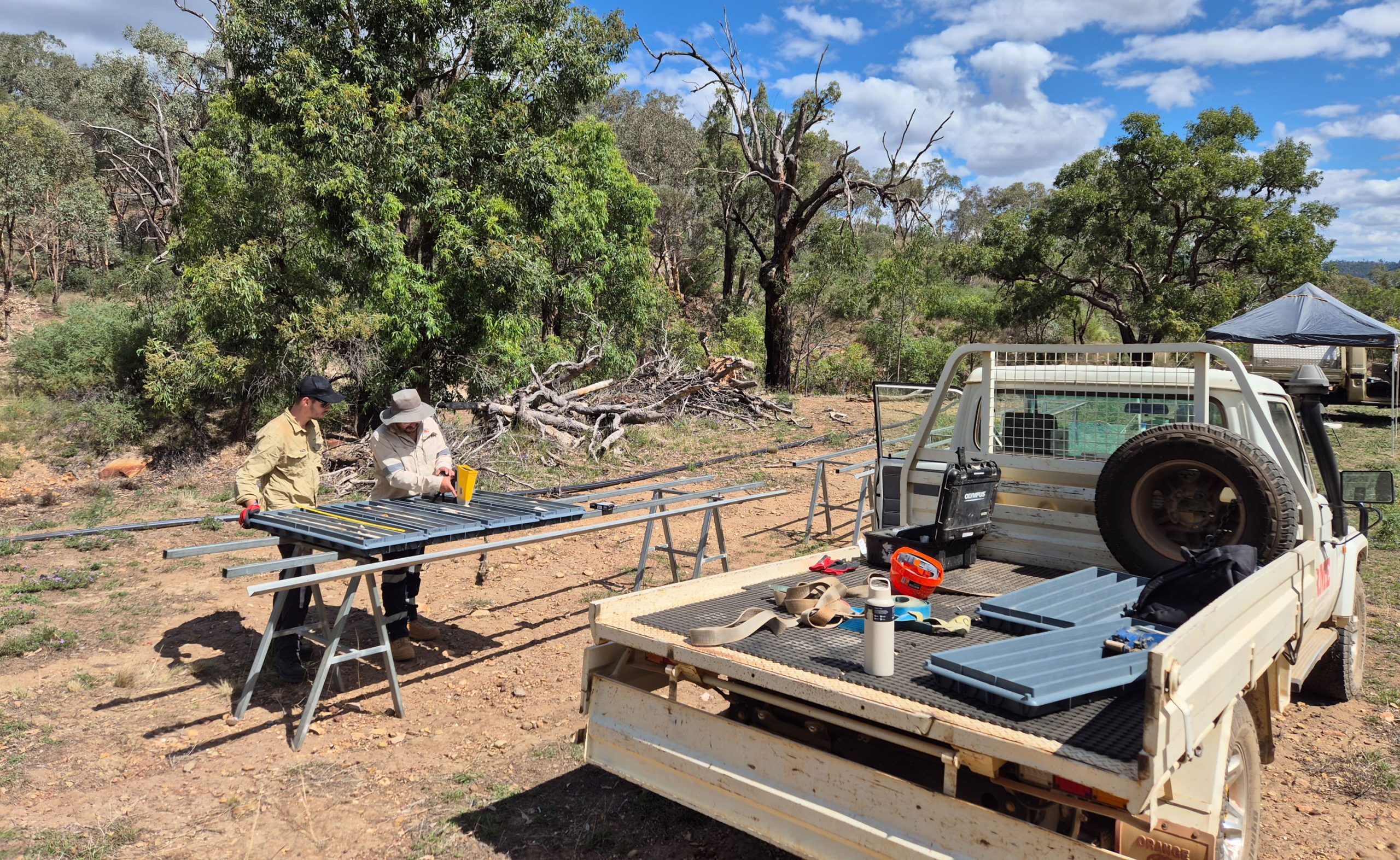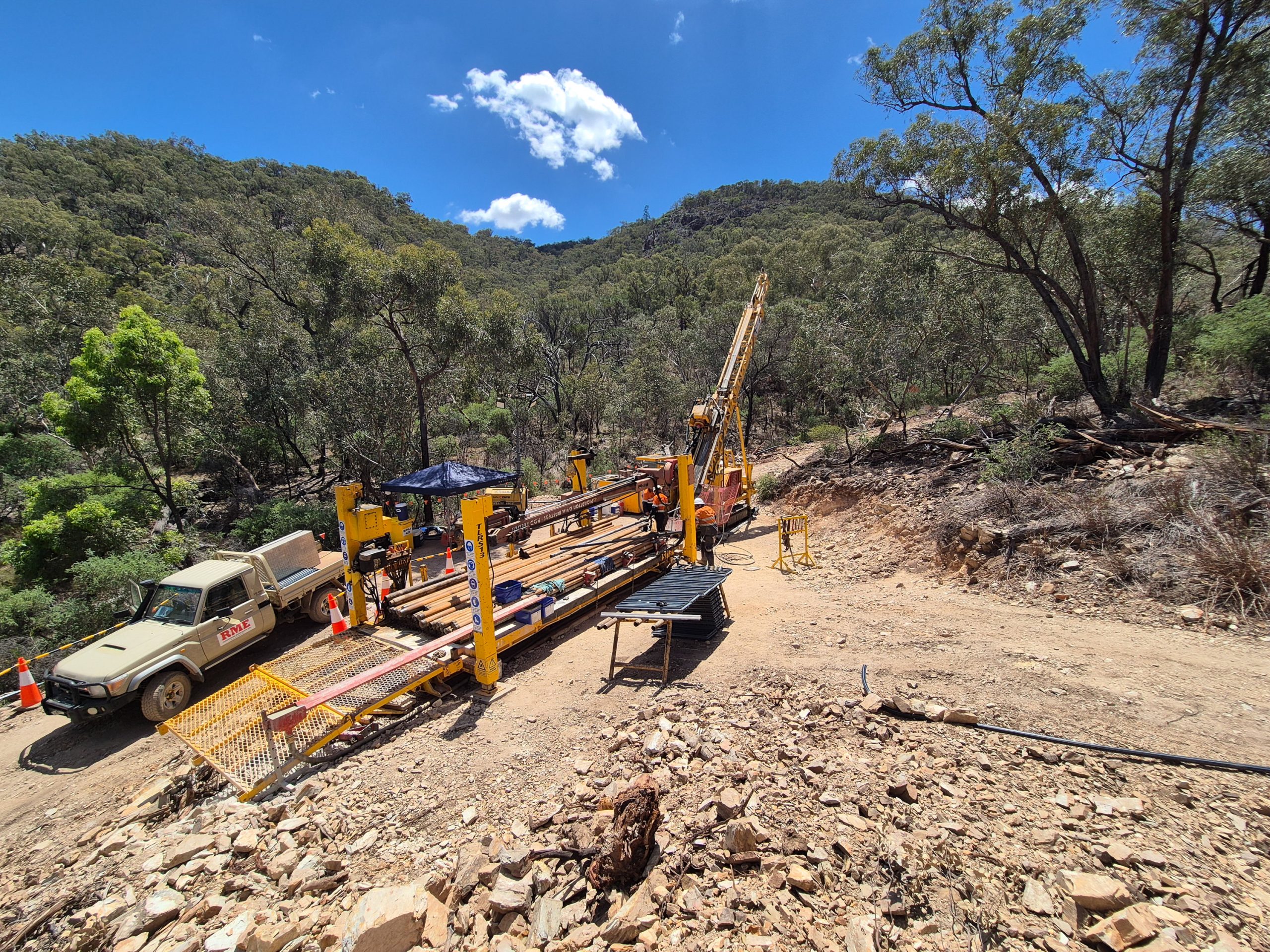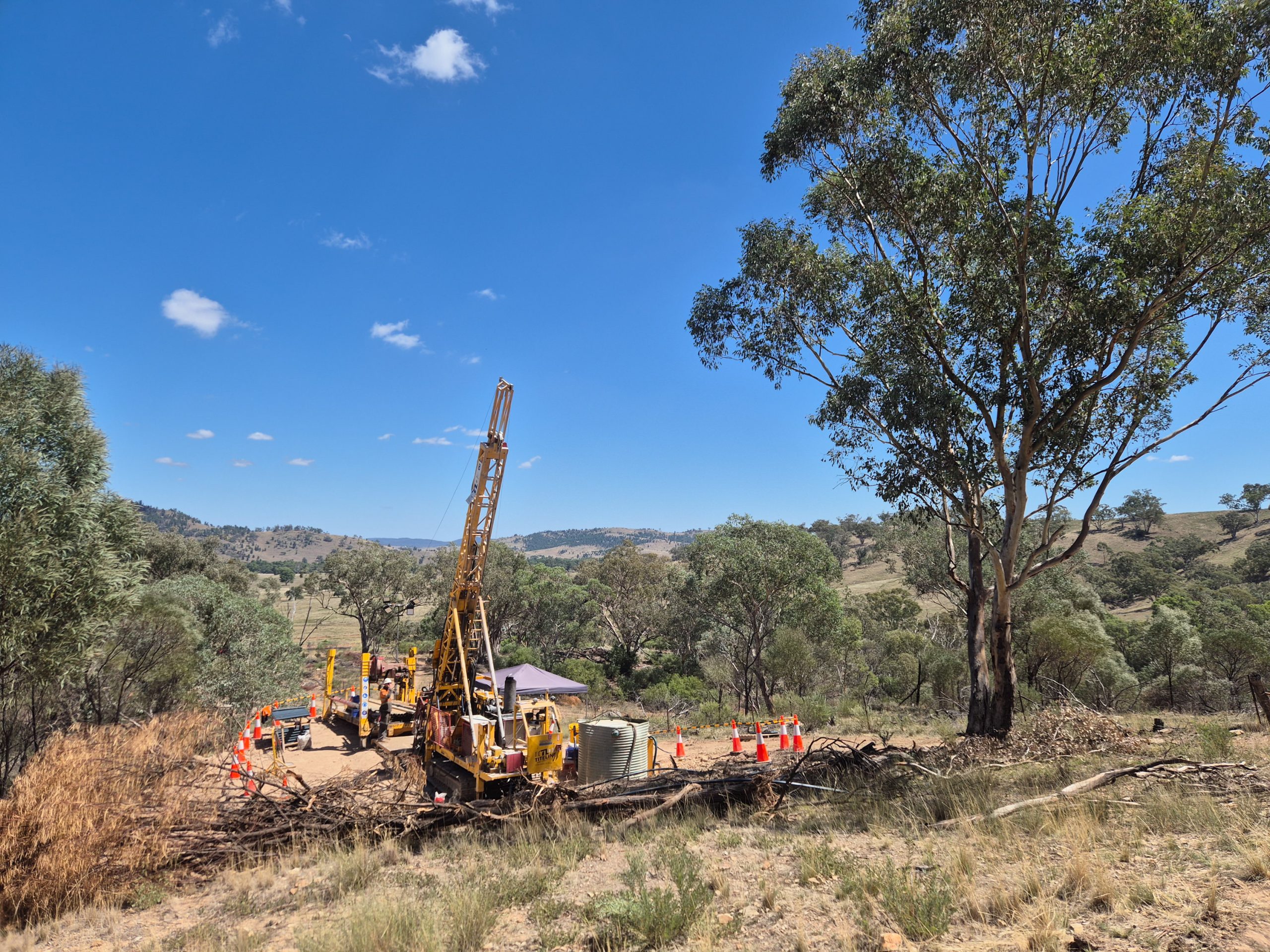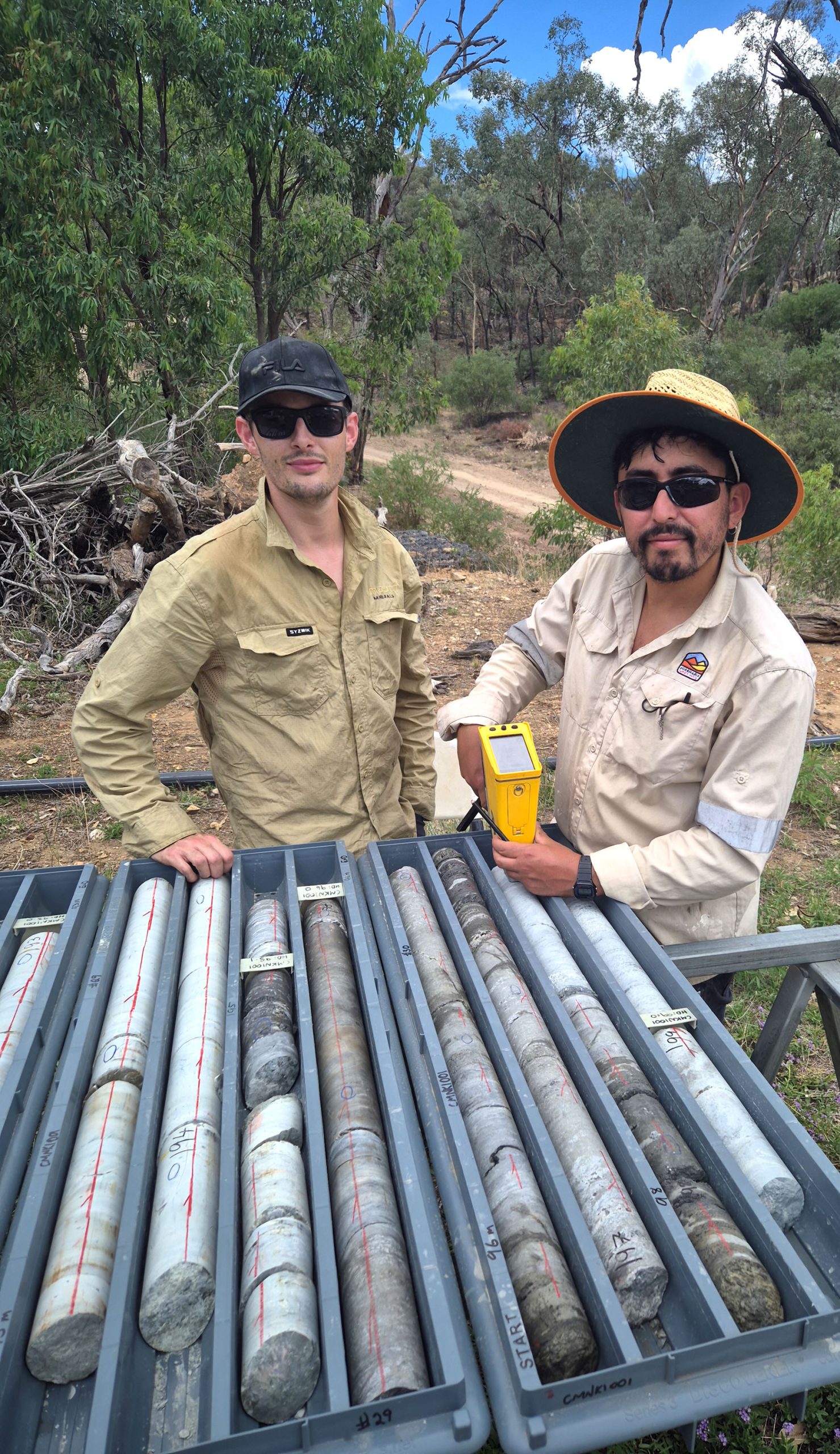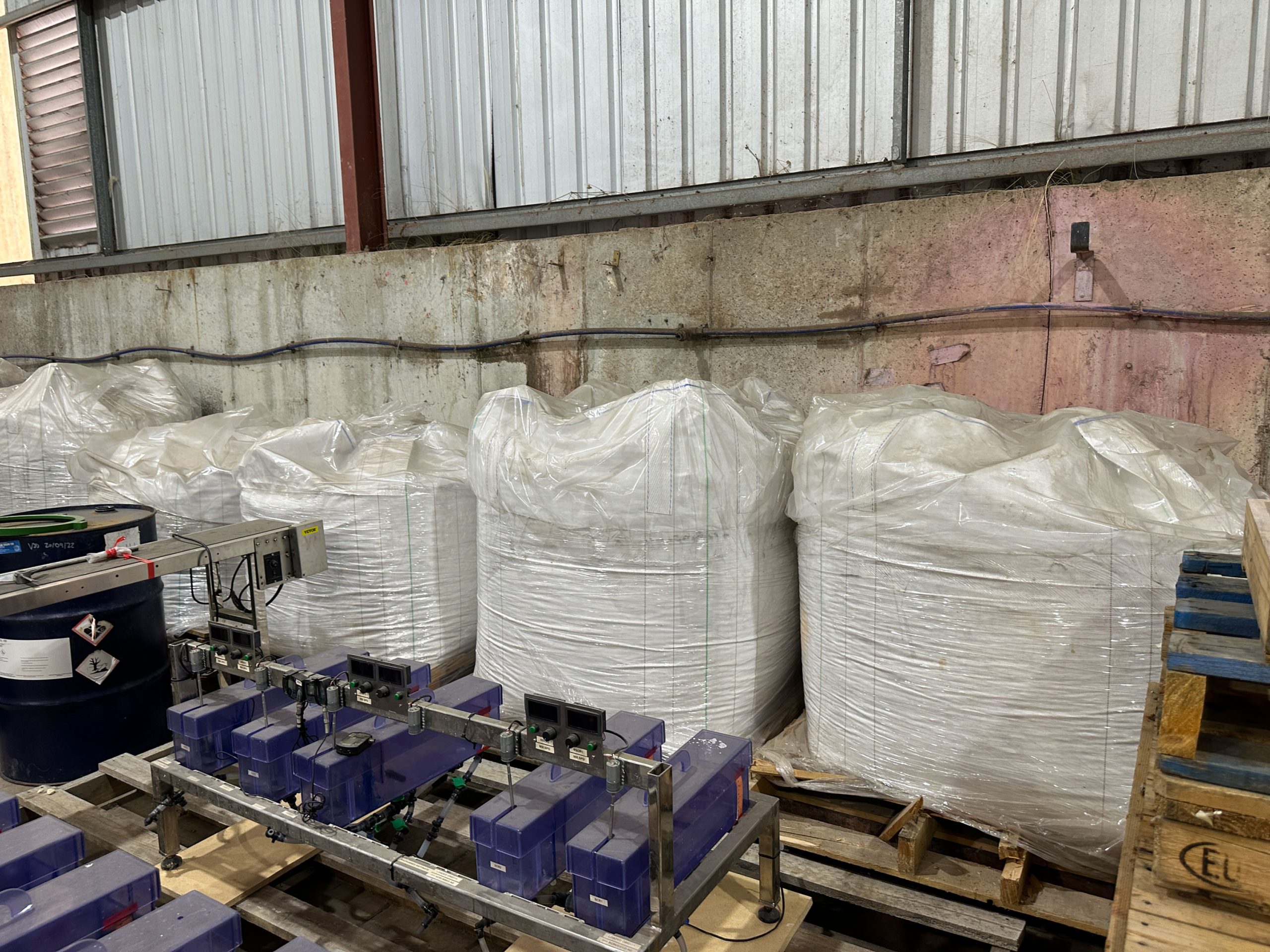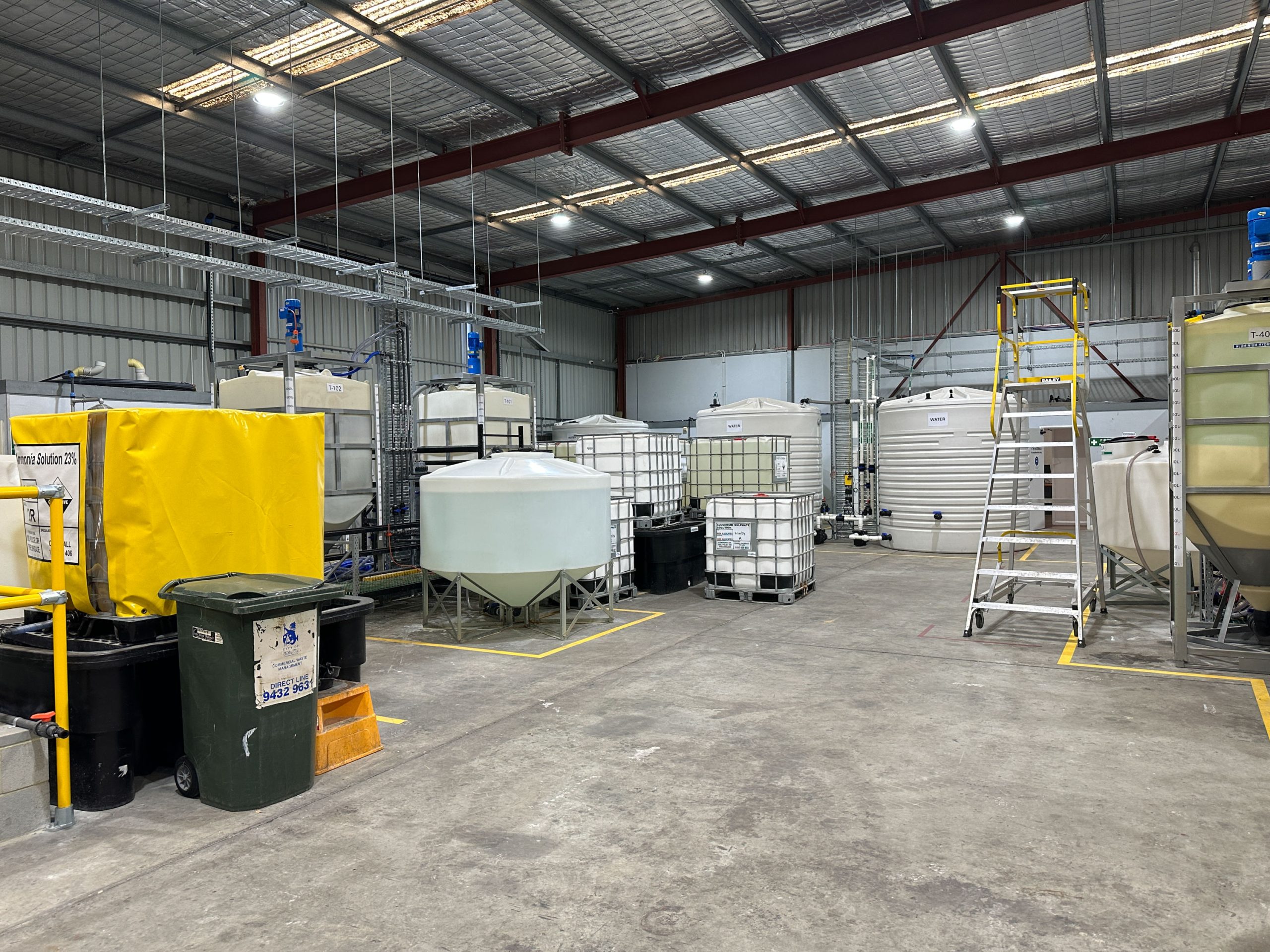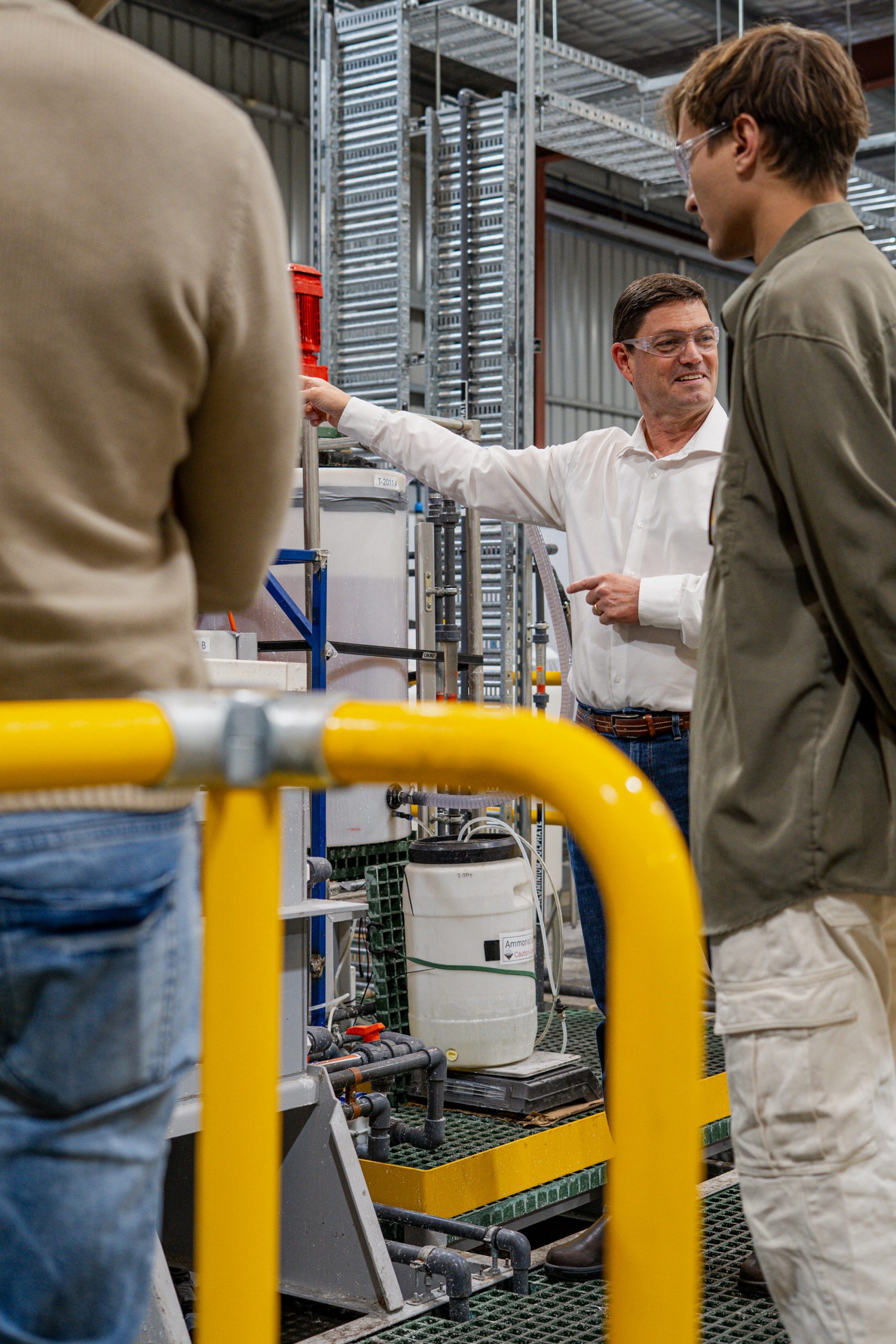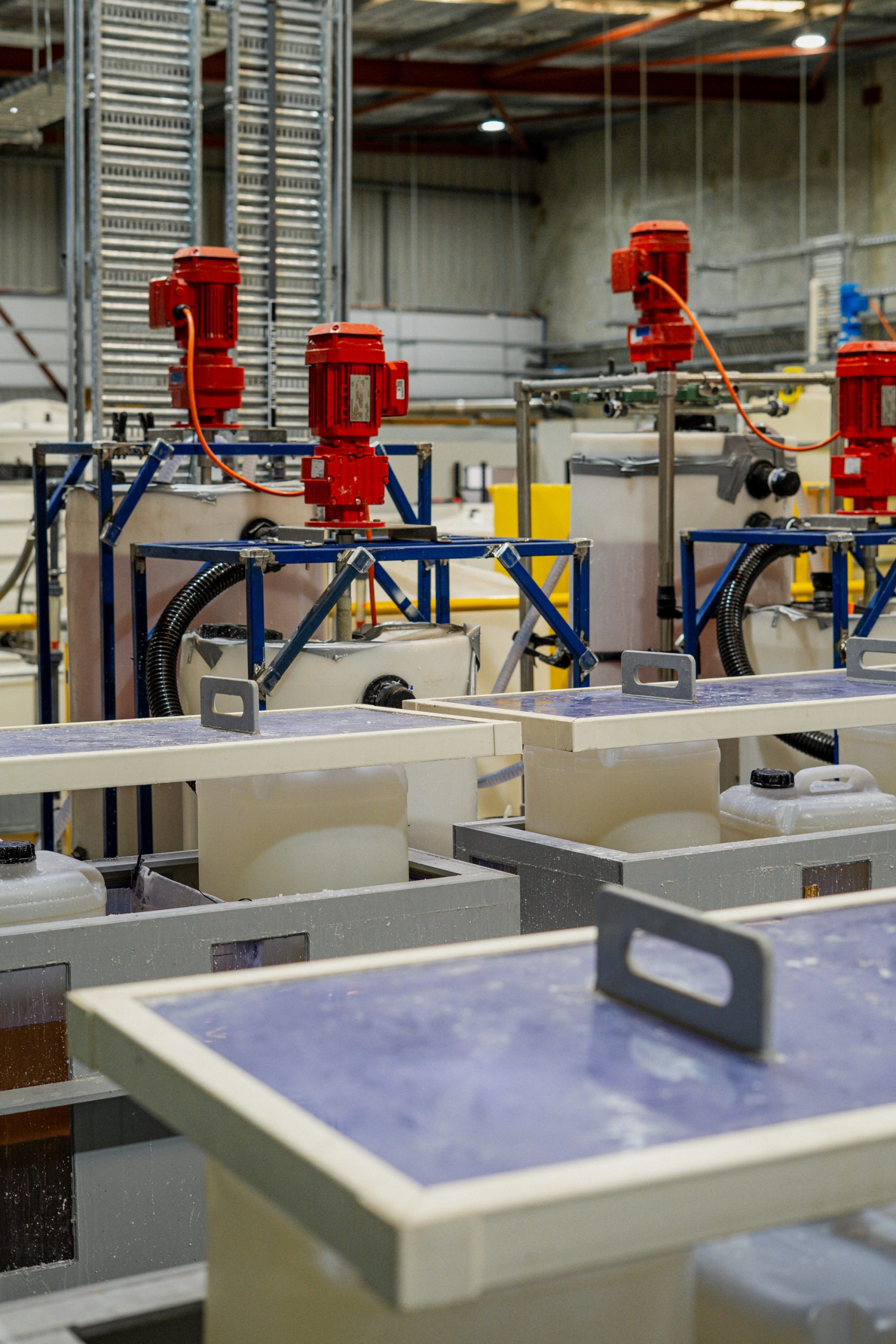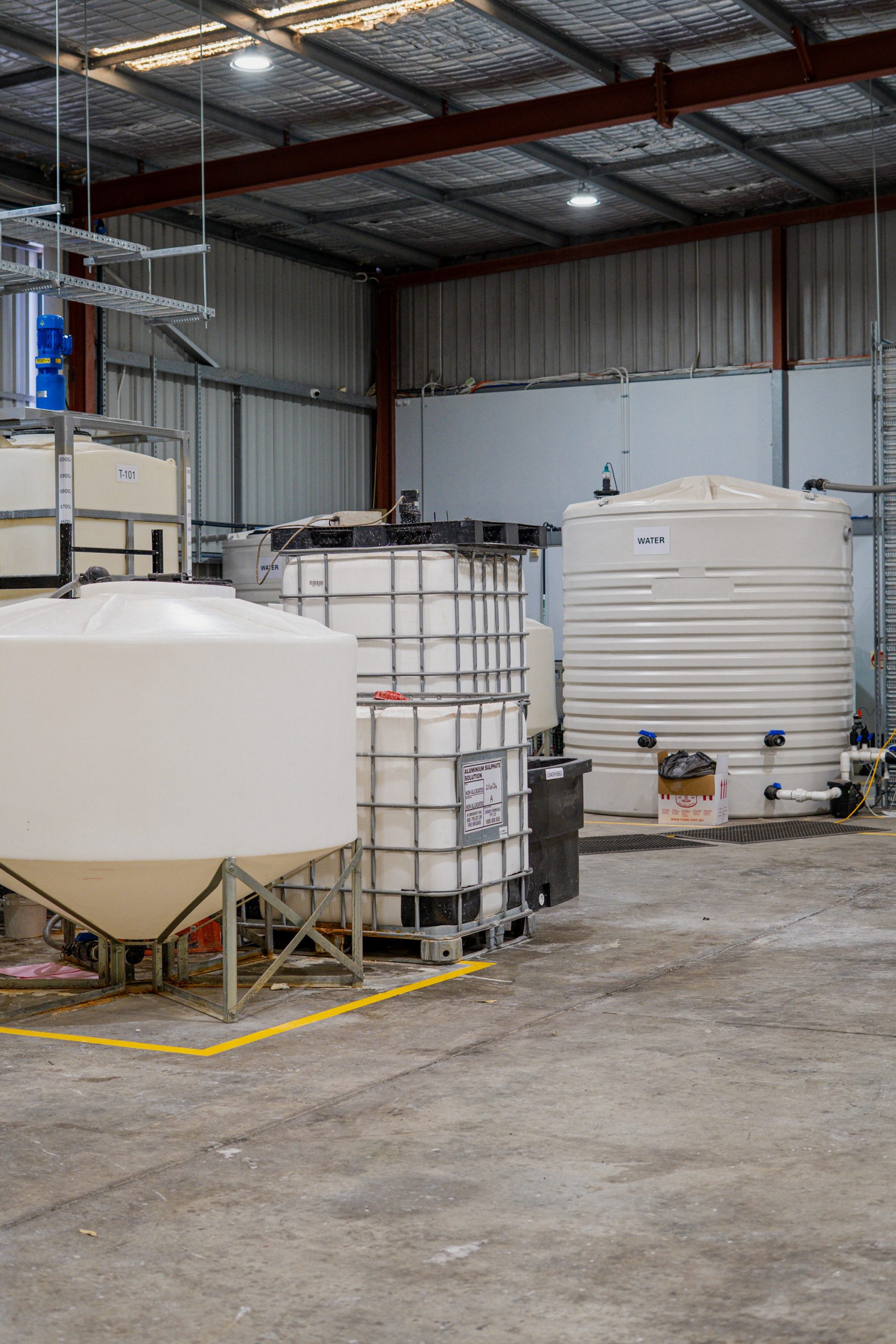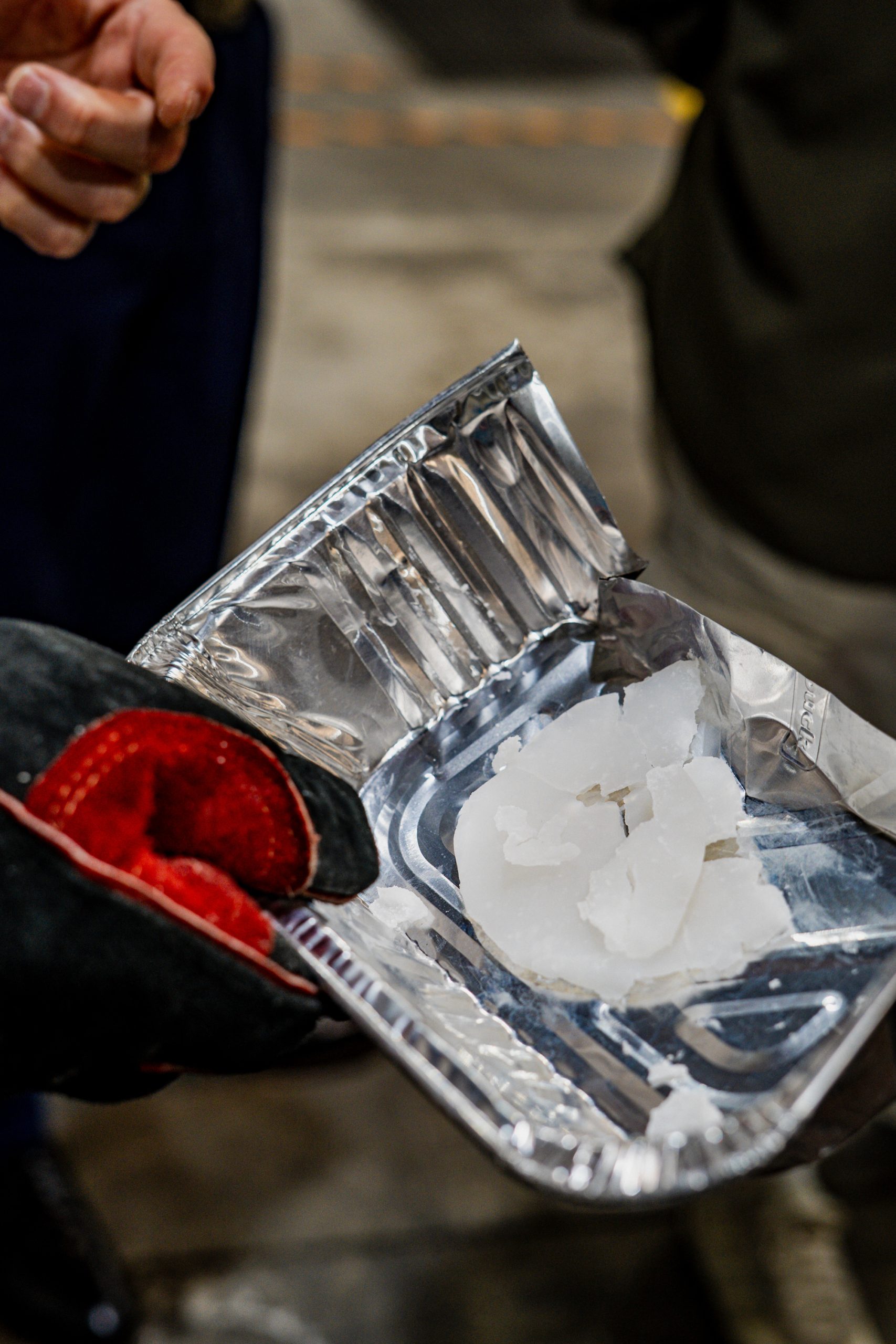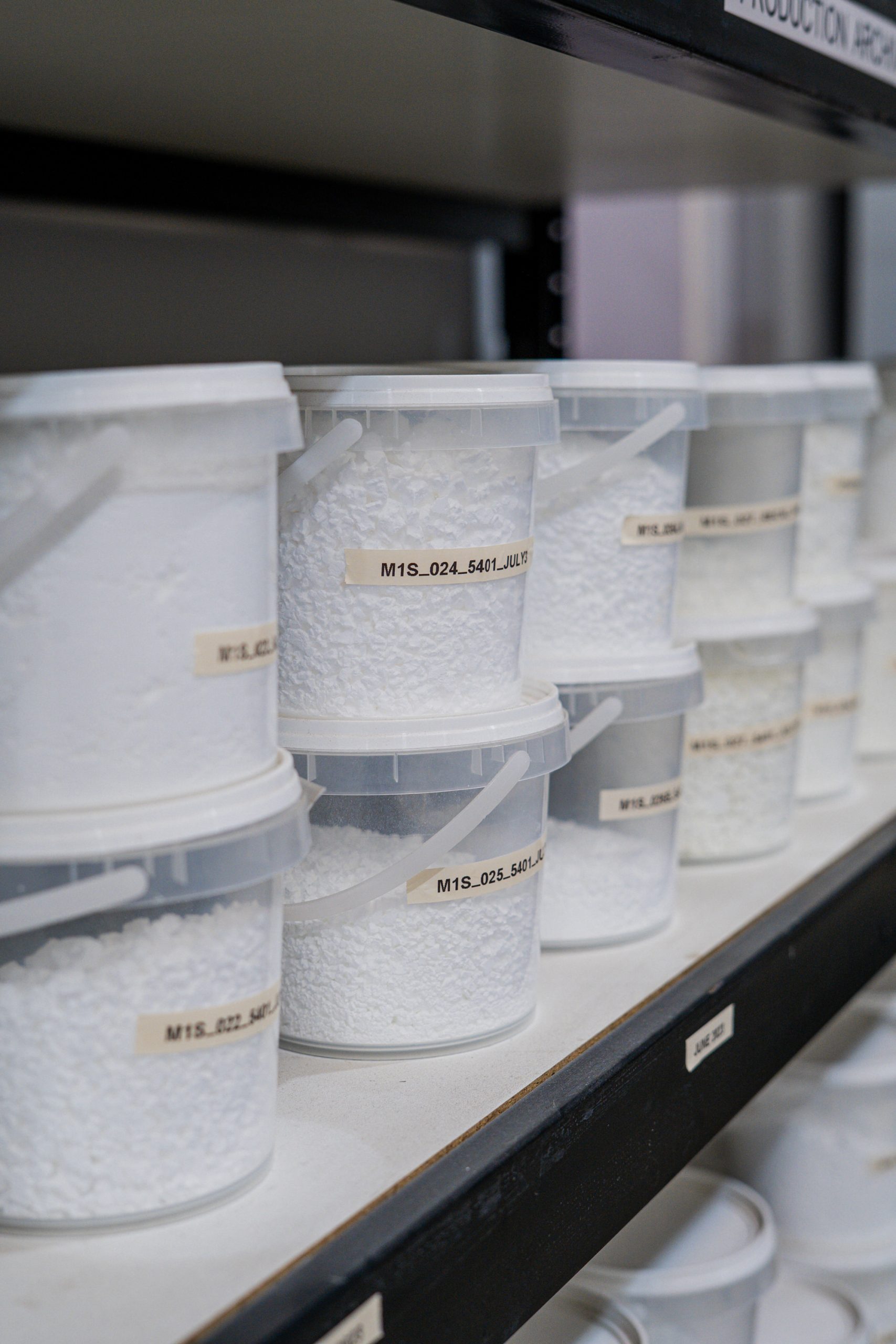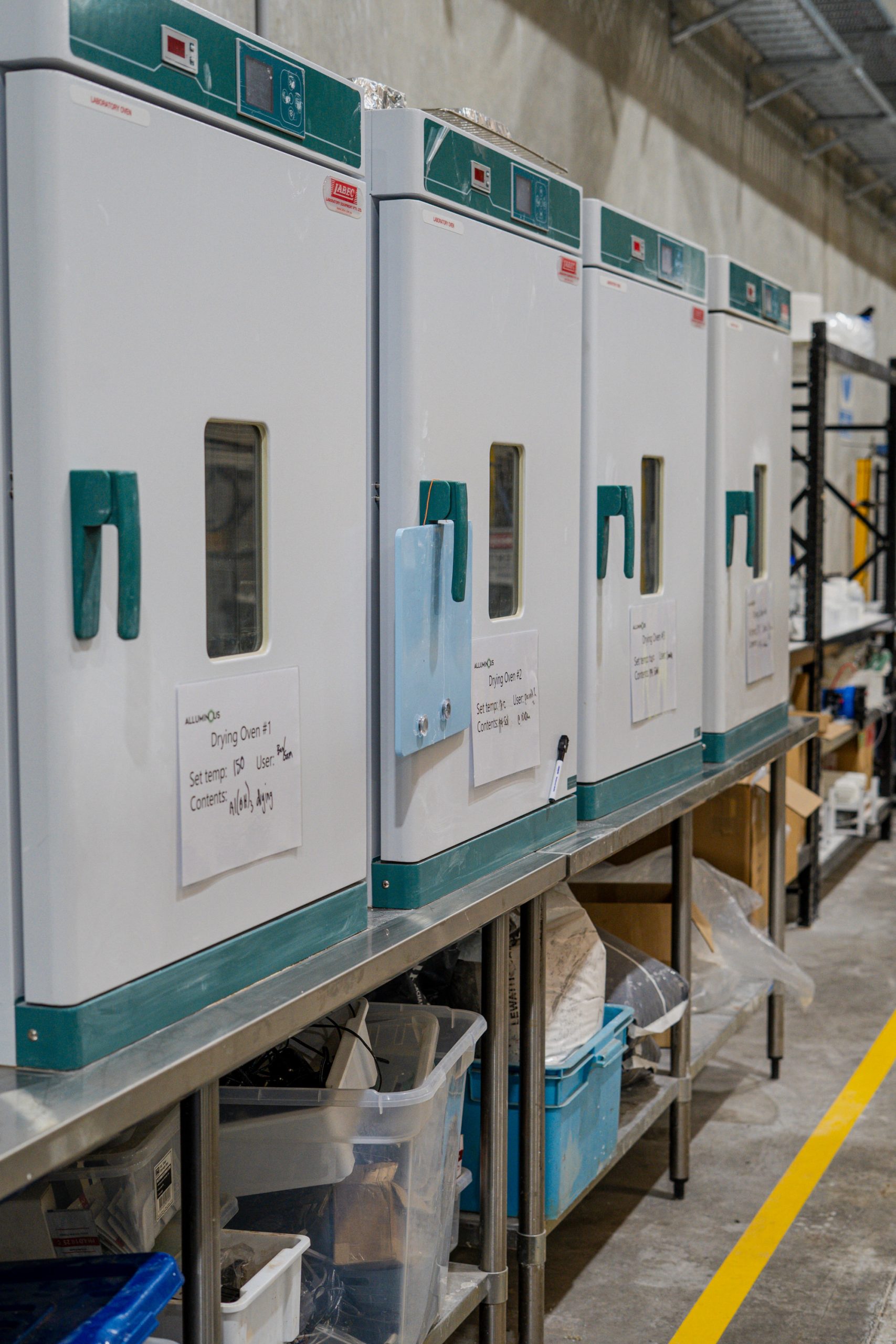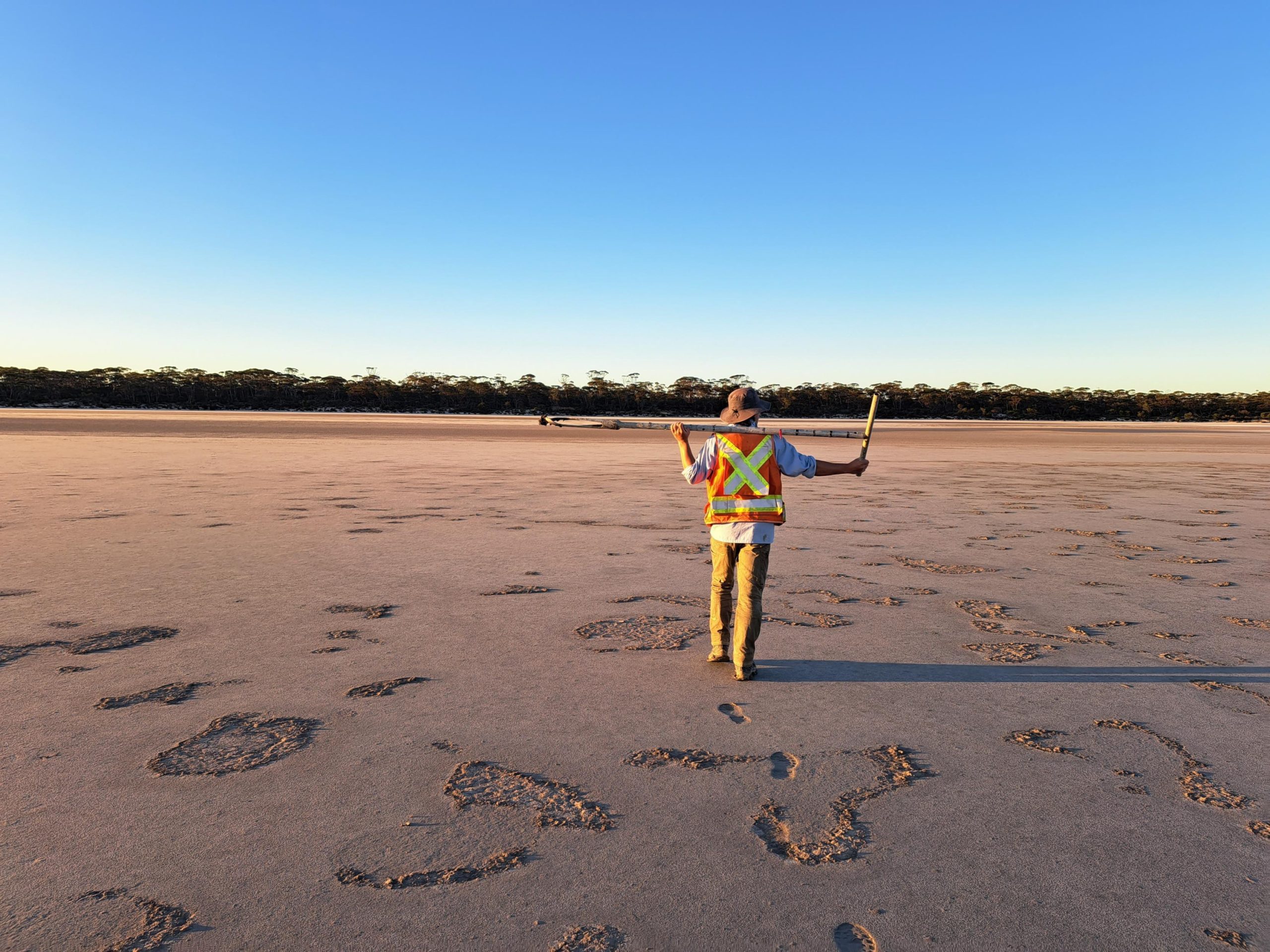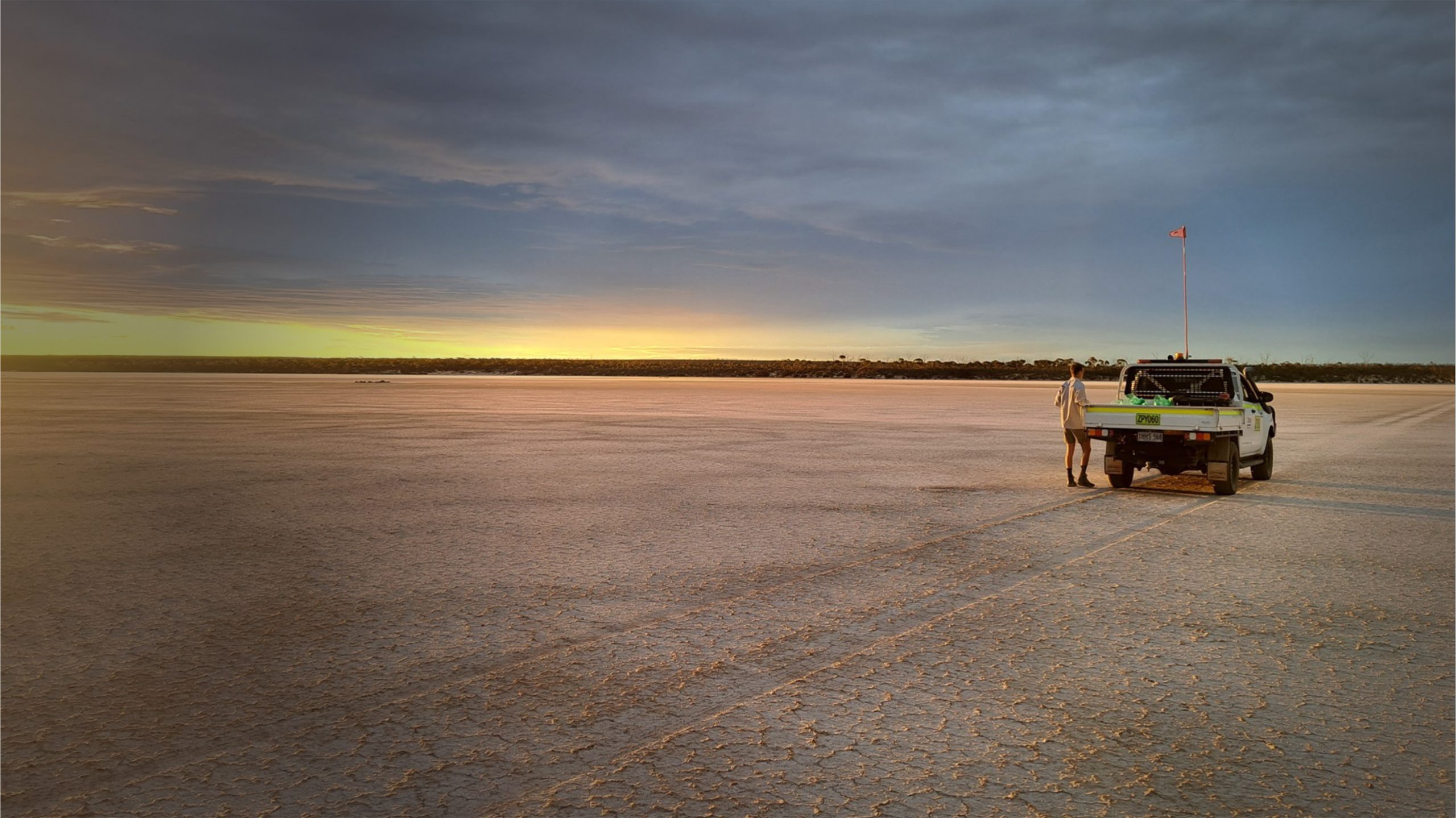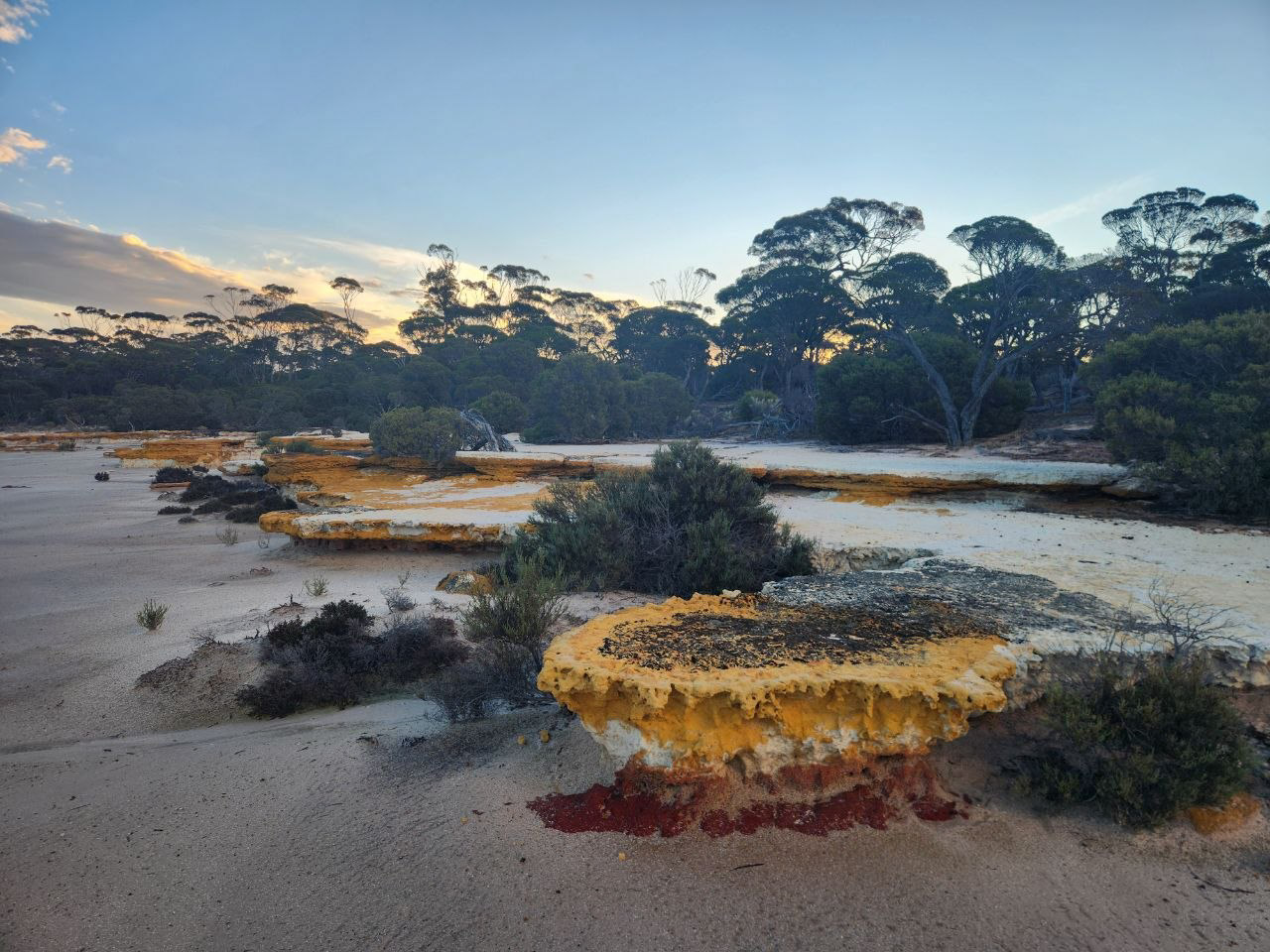
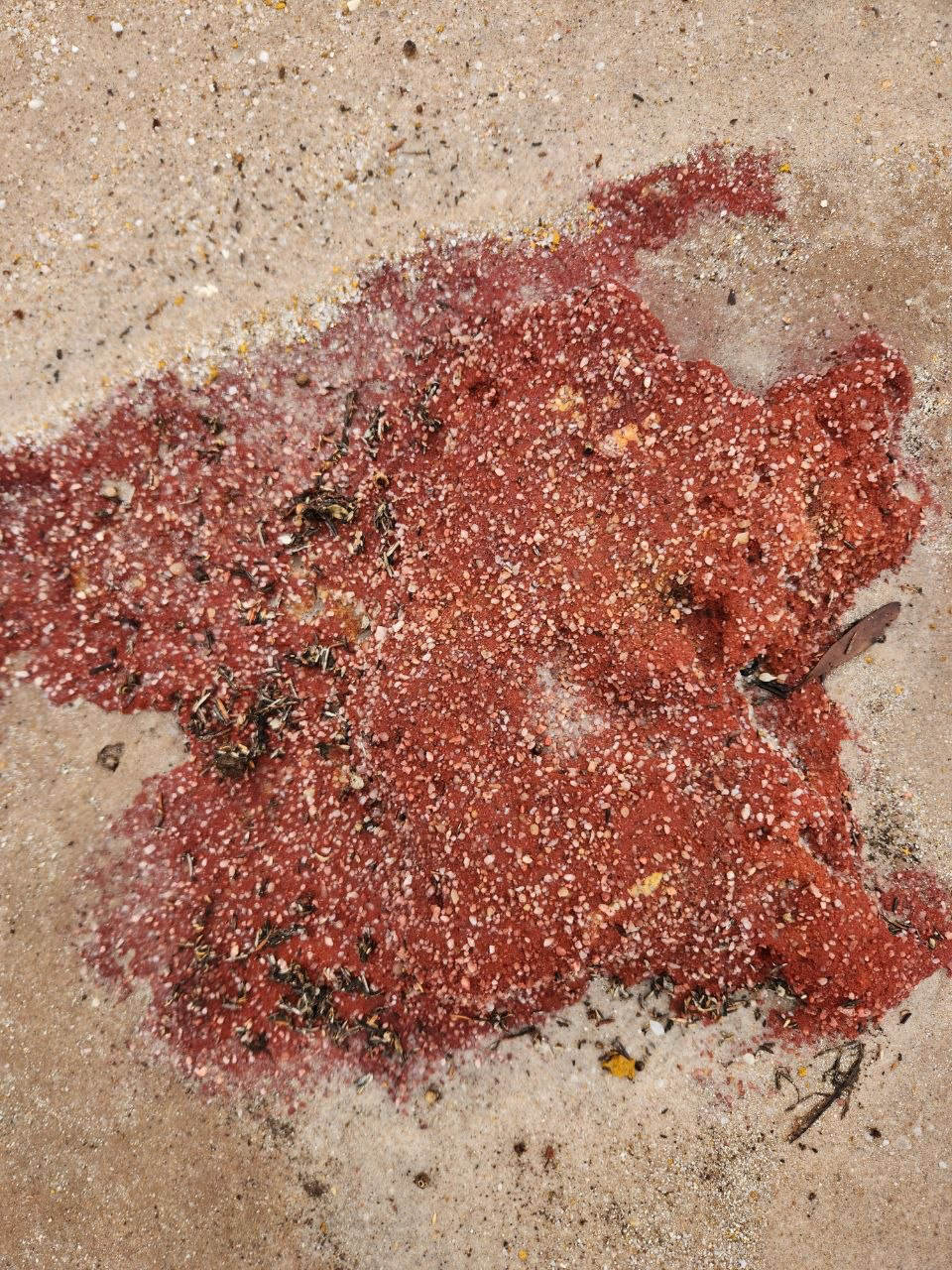
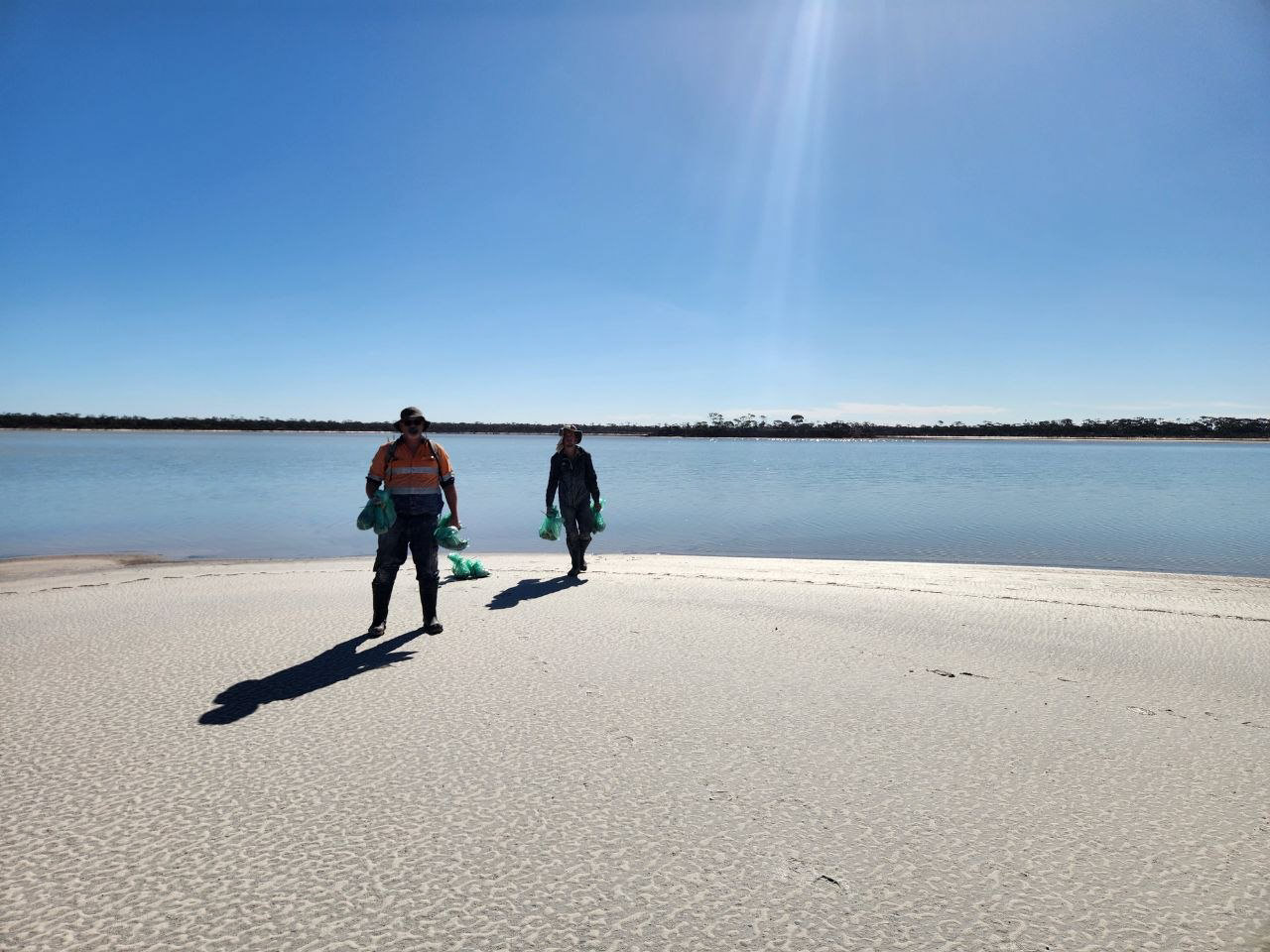


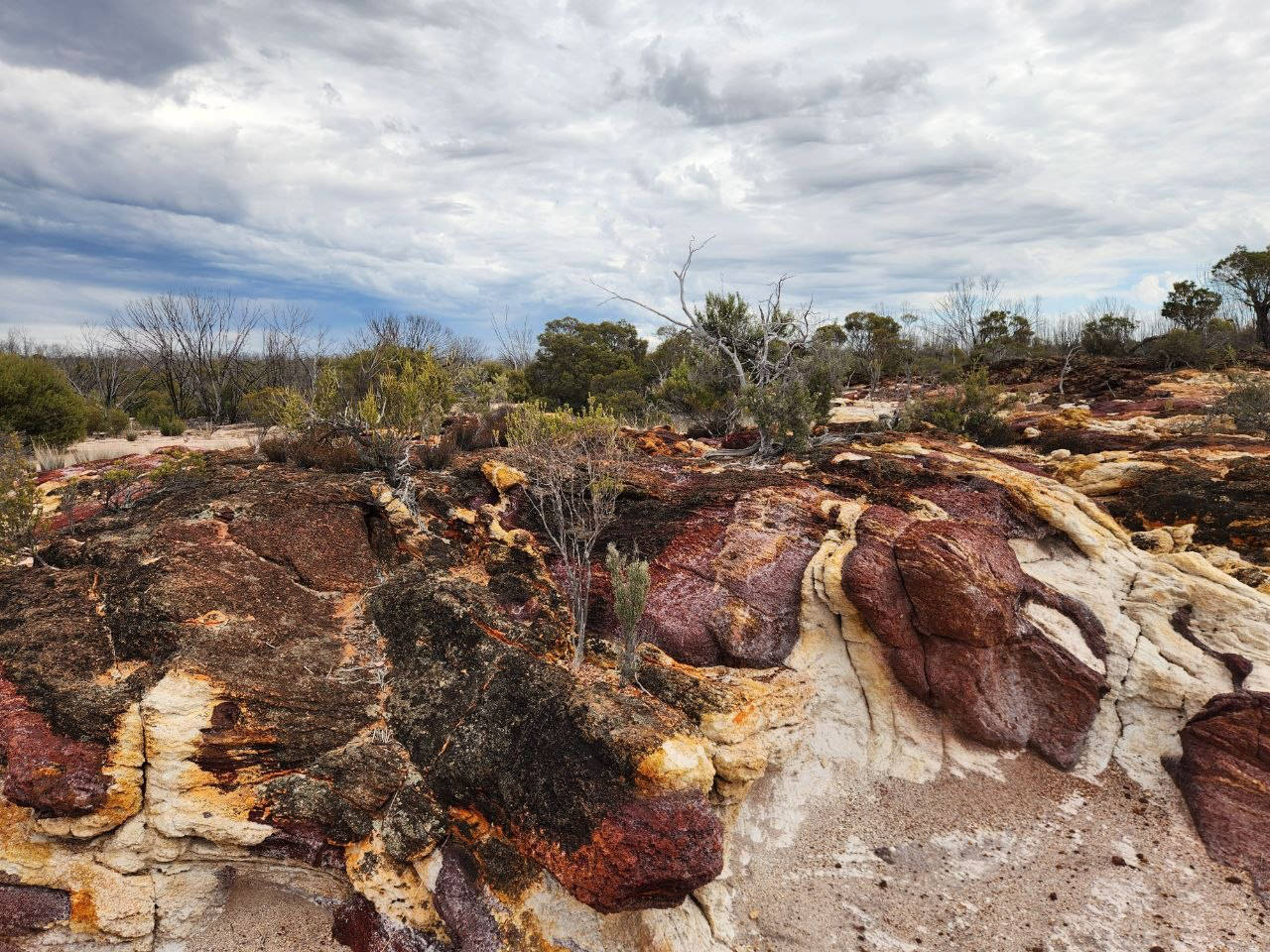
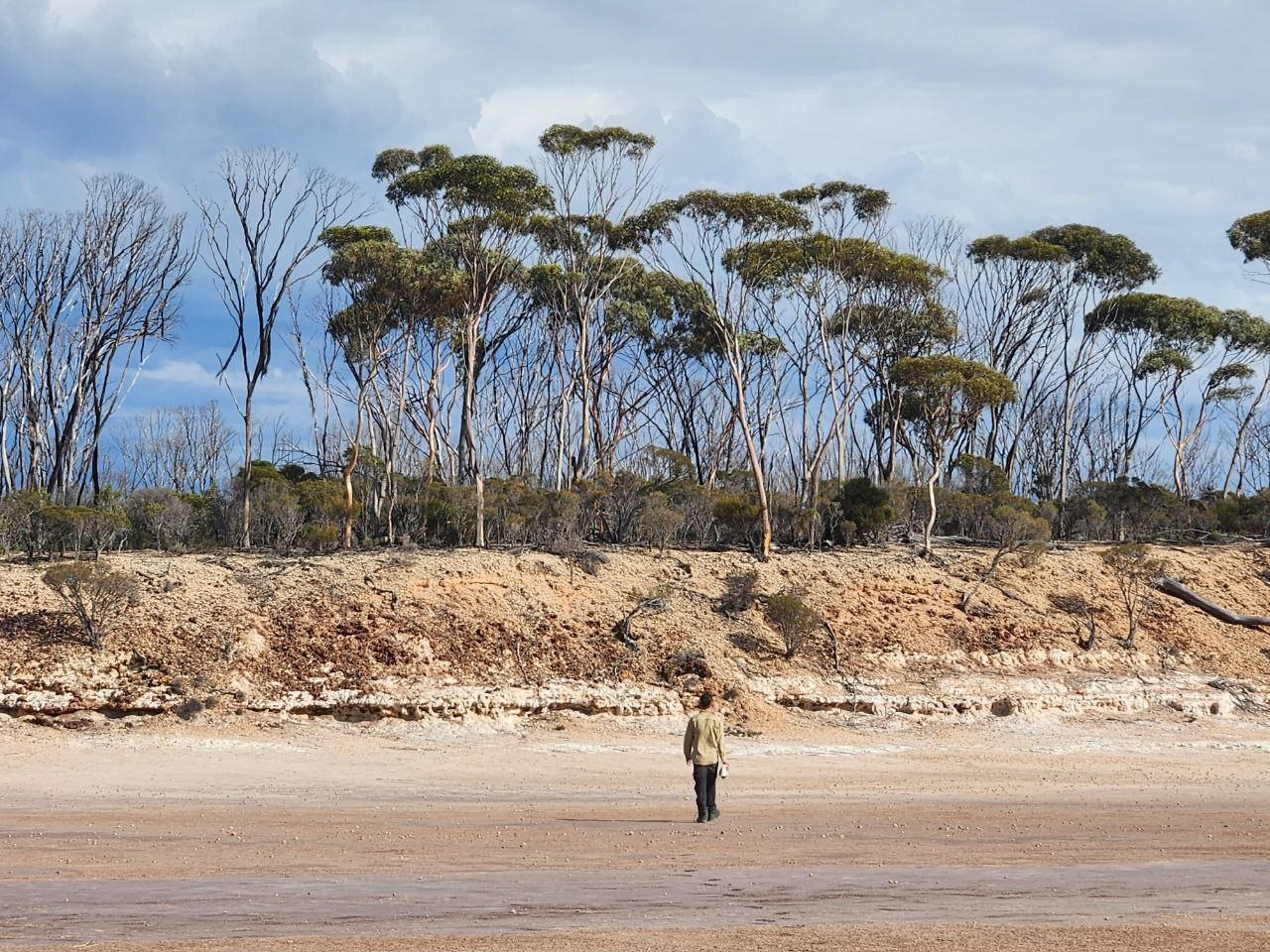
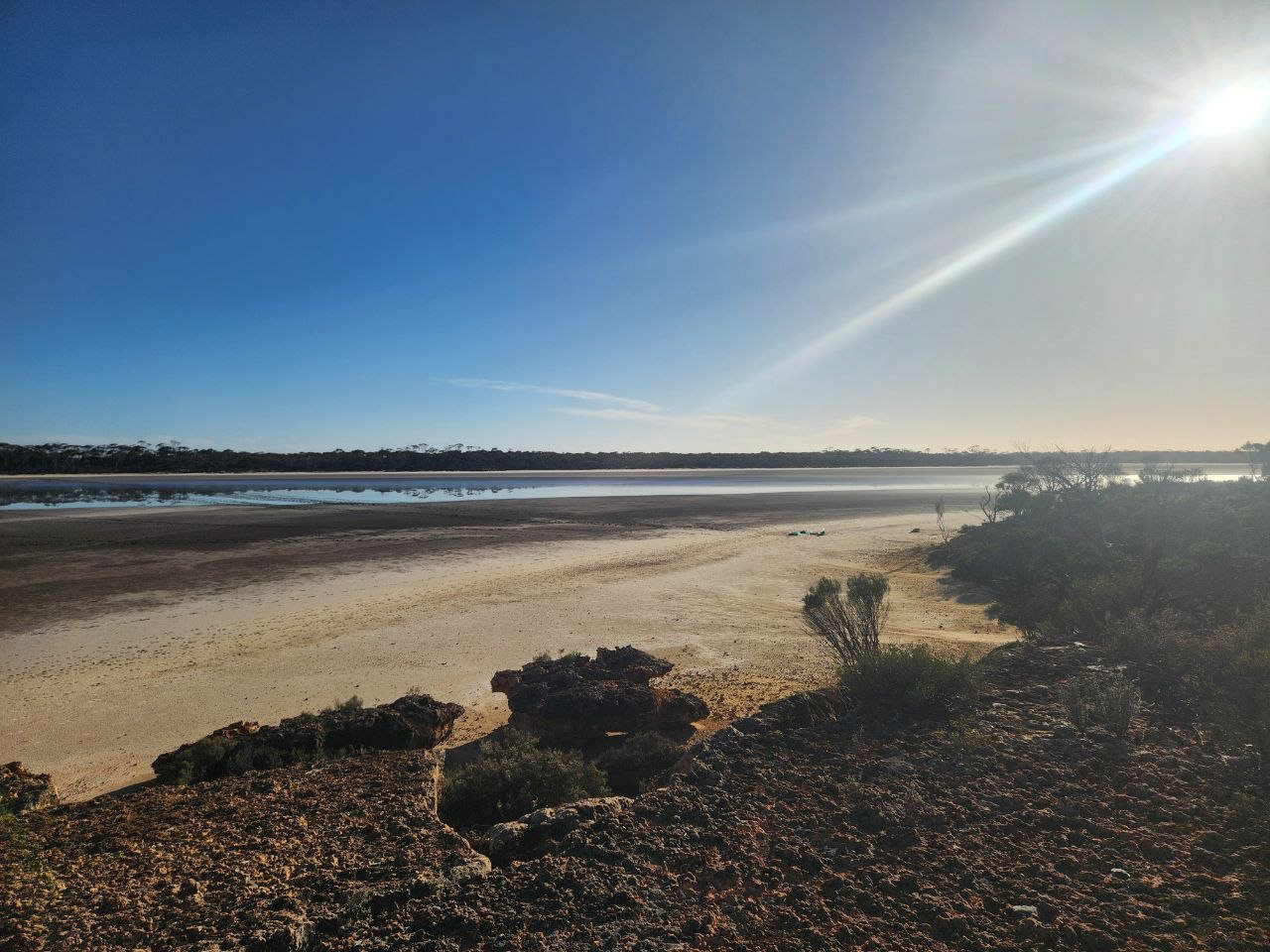
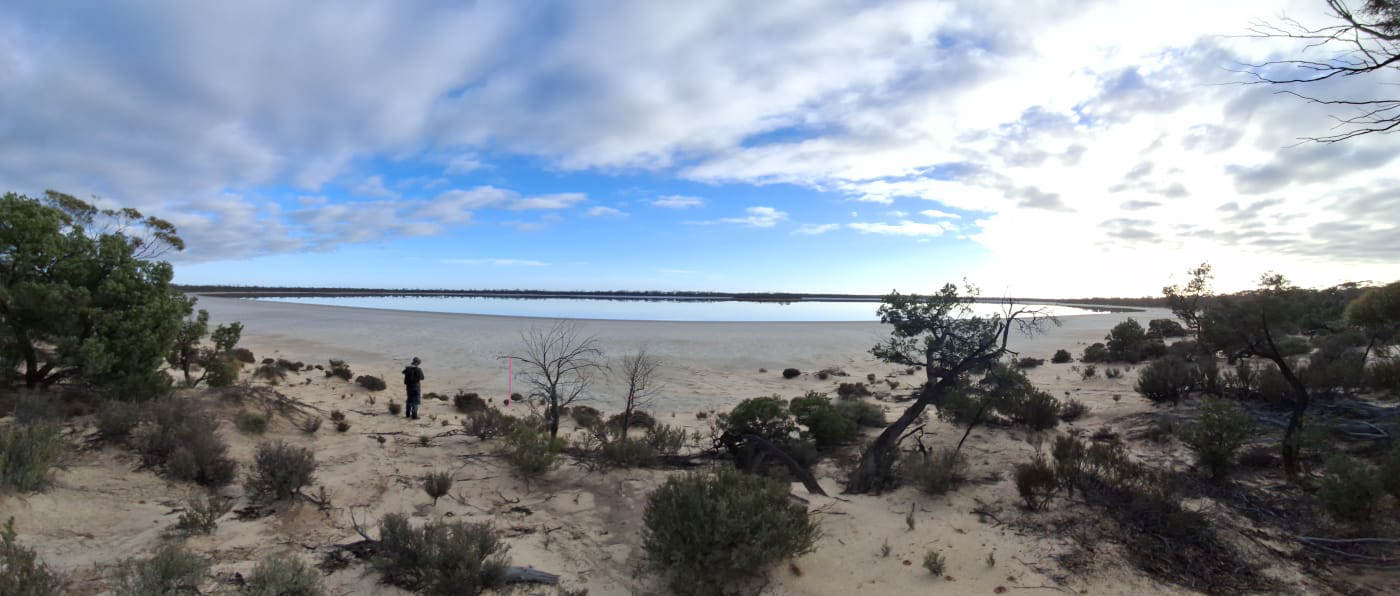
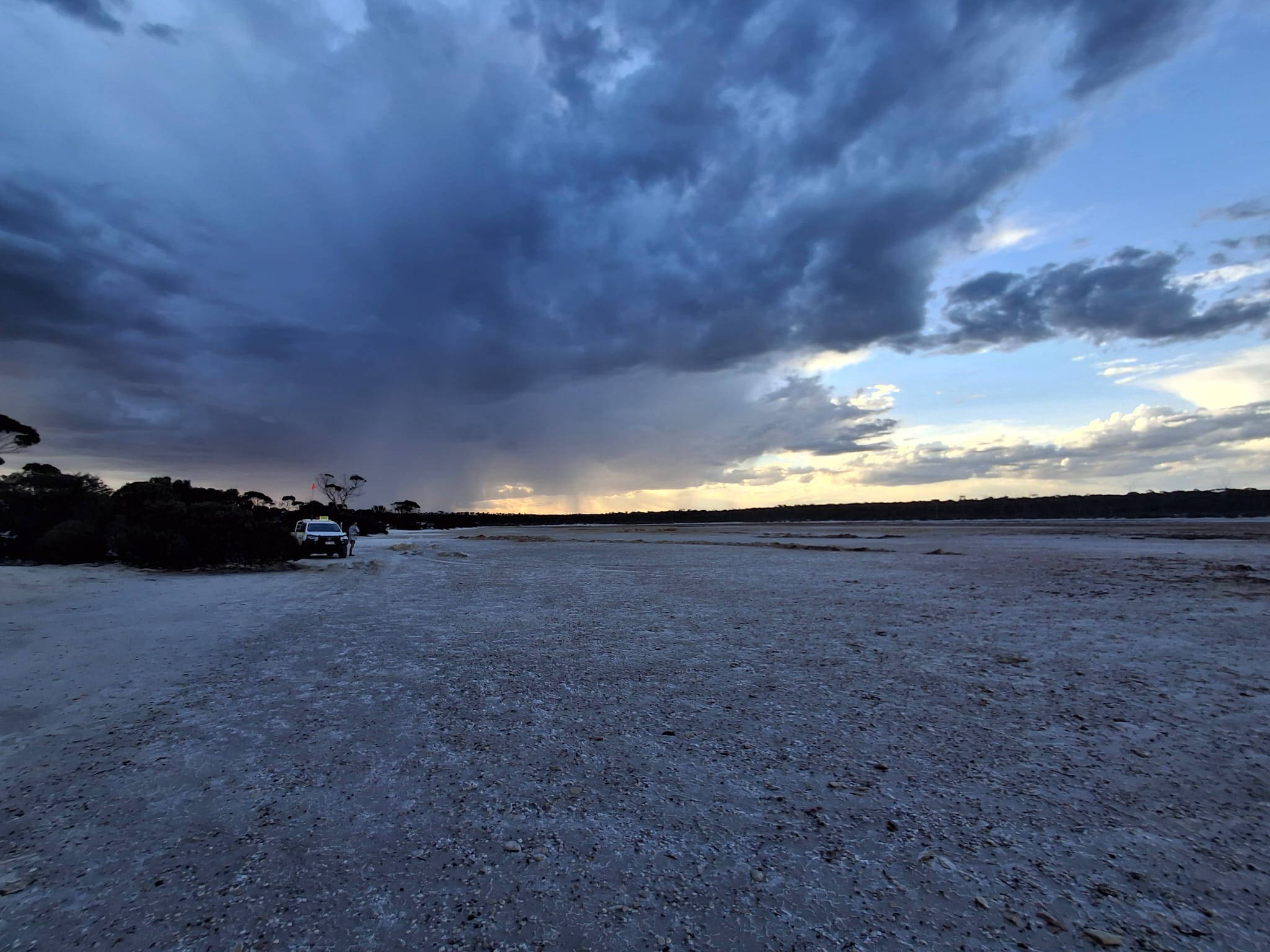
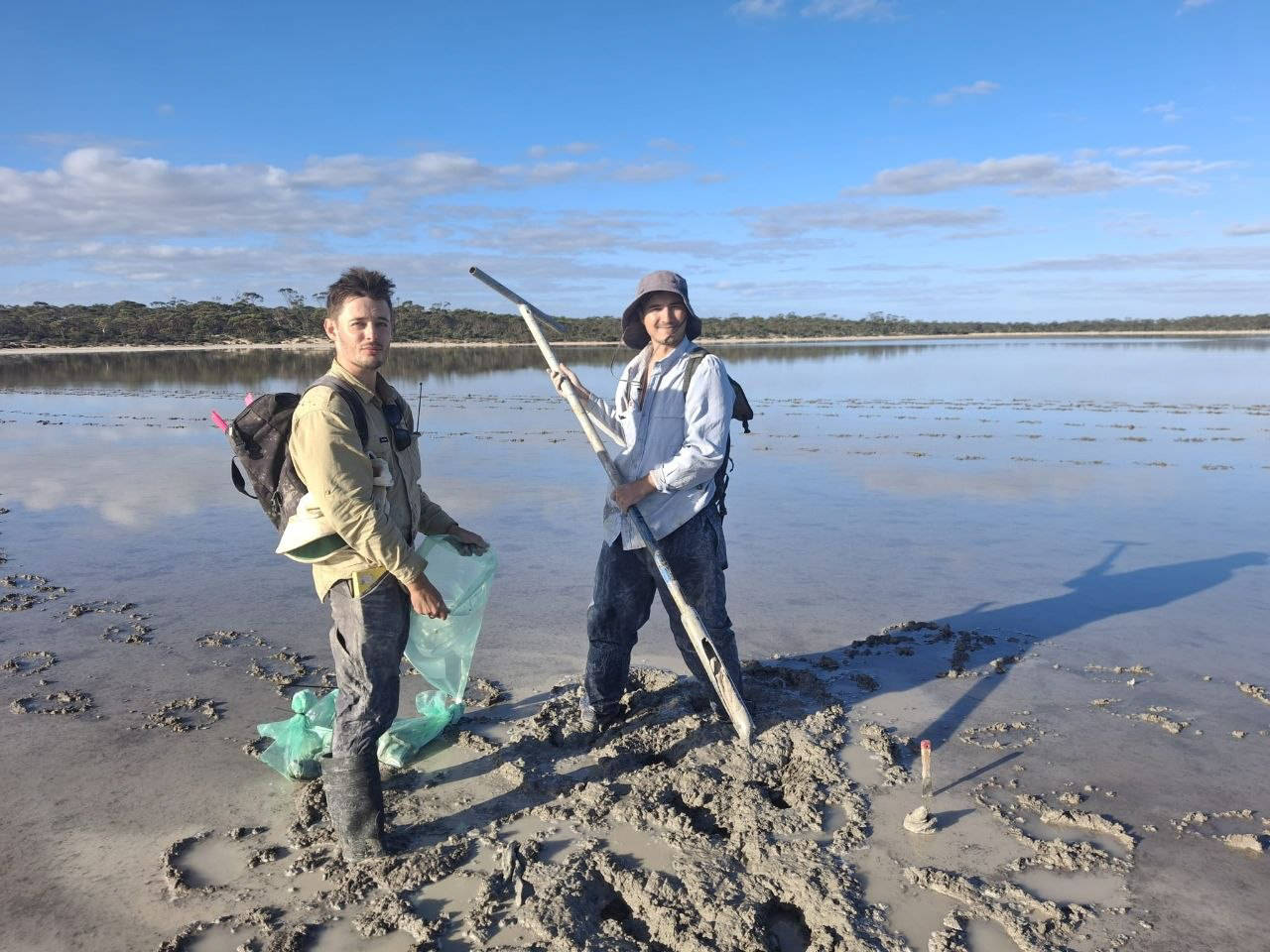
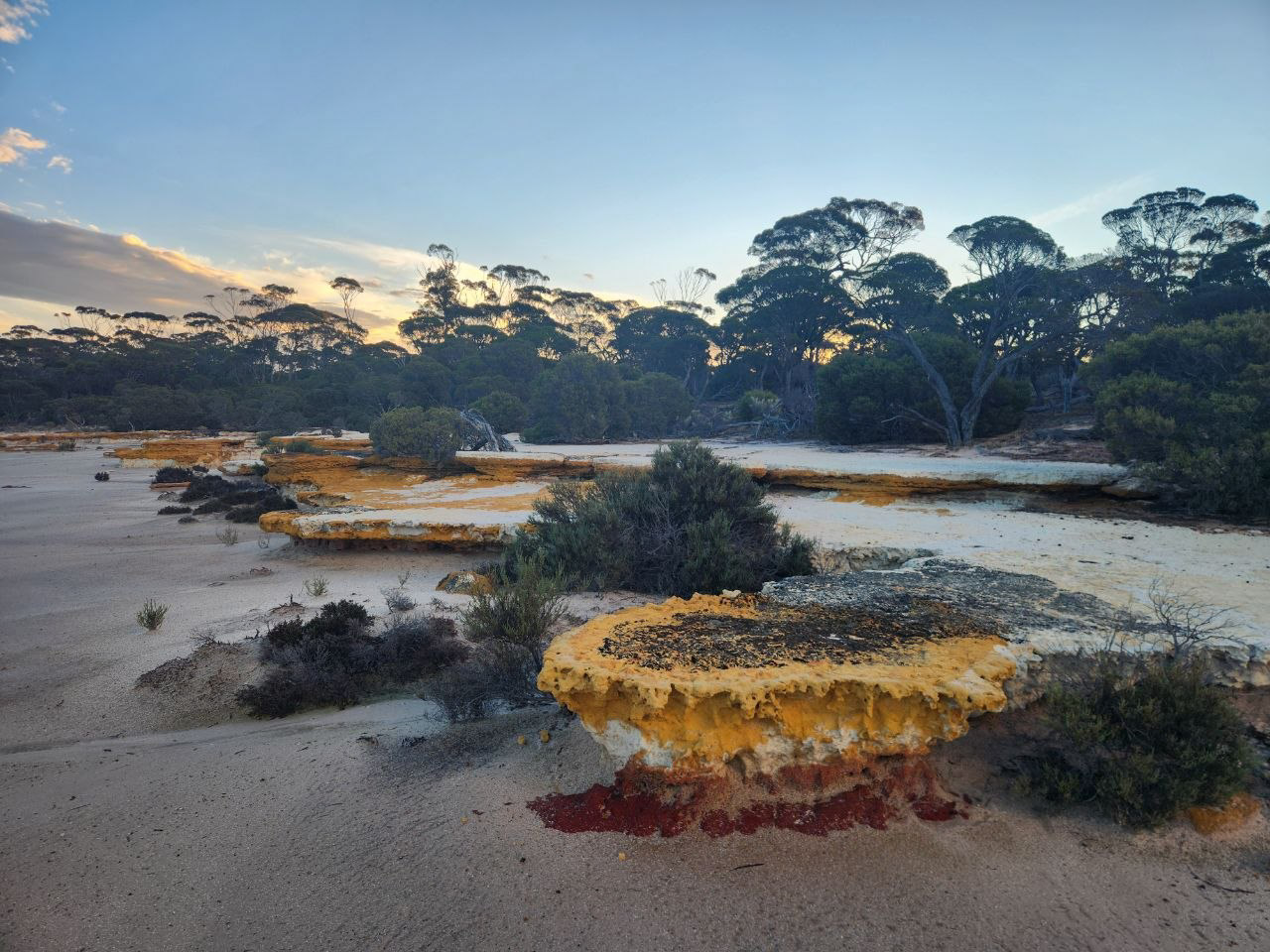
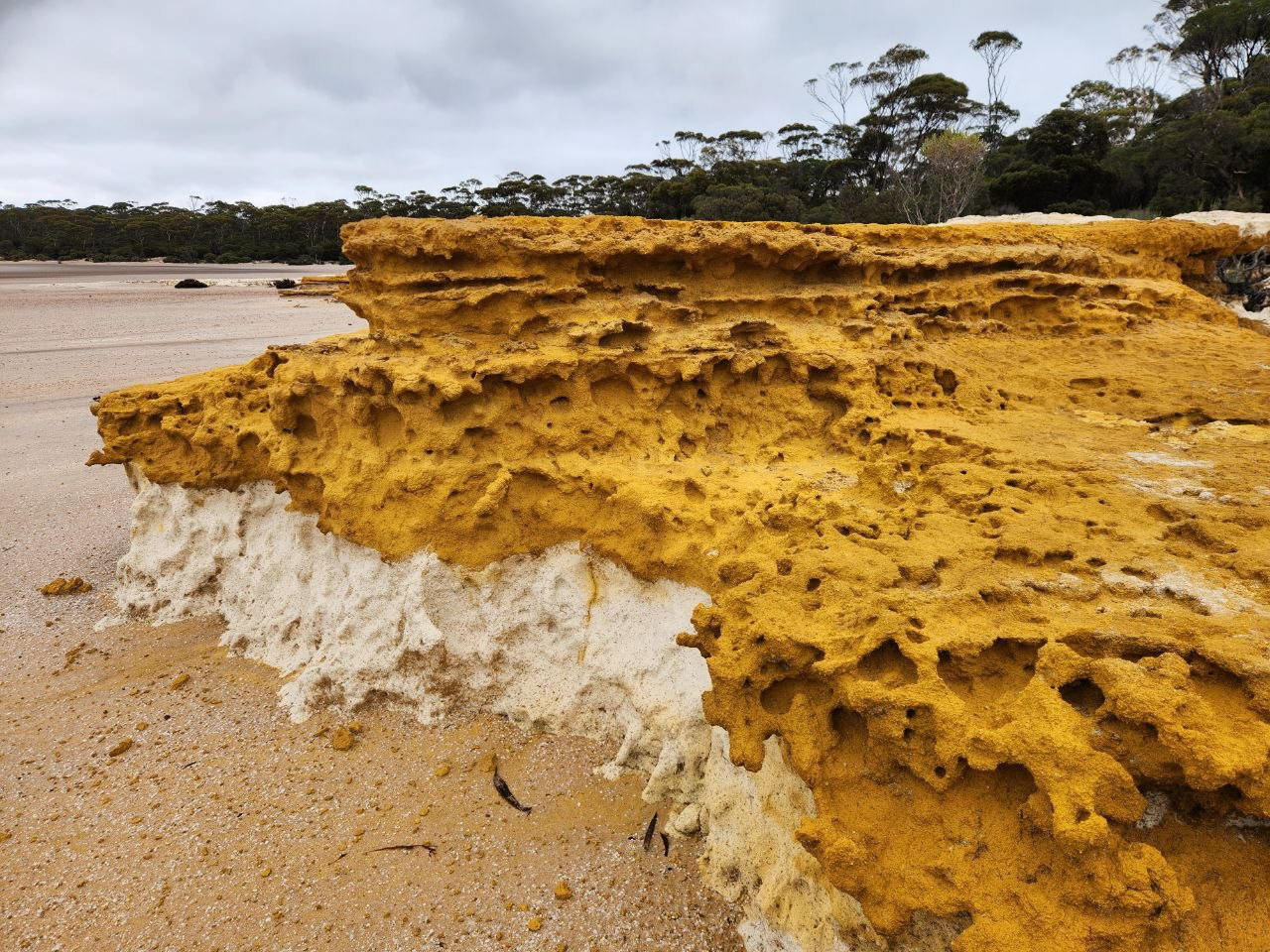


In addition to pursuing high-purity alumina (HPA) at its Lake Hope Project, Impact Minerals has identified a significant opportunity to produce sulphate of potash (SOP) – a high-value fertiliser from lake clays in Western Australia. Metallurgical test work has demonstrated strong recoveries of sulphate and chlorine, which can be processed into SOP and hydrochloric acid without the need for traditional evaporation ponds, potentially overcoming the technical challenges faced by many Australian potash developments. The Company is advancing this initiative through a scoping study and has secured tenements around the Salmon Gums area as potential feedstock sources, with the aim of contributing to Australia’s domestic potash supply while creating additional commercial value alongside the existing HPA strategy.
Lake Hope’s co-product Sulphate of Potash (SOP) positions Impact Minerals within a US$5.7B global market growing at ~5% CAGR, with a clear domestic supply gap as Australia imported ~85,000 tonnes in 2025. The project produces a high-purity, low-chloride fertiliser that commands a structural premium over Muriate of Potash, supported by strong demand across premium horticulture, canola and Southeast Asian agriculture, where proximity delivers a freight advantage over offshore suppliers. The patented process enables the integrated production of both HPA and SOP from the same brine, creating two revenue streams from a single extraction base and lowering overall costs. This dual-commodity model combines high-margin HPA exposure to semiconductors and advanced technologies with high-volume SOP demand in agriculture, providing diversification across uncorrelated markets. Importantly, SOP offers a faster path to market, generating early cashflow while HPA commercialisation scales.
Australia’s SOP market is forecast to grow at a CAGR of 2.6% in volume terms, reaching approximately 122,000 tonnes per annum by 2035 with a market value approaching A$87 million. The country has historically been entirely dependent on SOP imports, primarily sourced from Germany (K+S), Belgium (Tessenderlo), China, and Taiwan. Import volumes in 2023 were approximately 84,000 tonnes, down slightly from the prior year.
Key demand drivers in Australia include widespread potassium-deficient soils (particularly in Western Australia and southeastern broadacre regions), high soil salinity making SOP preferable to MOP, a growing premium horticulture sector, and field trial evidence showing canola yield improvements of up to 30% with SOP versus MOP application.
Domestic production has been extremely challenging. Of seven WA-based SOP development projects, three have entered administration (Australian Potash, Kalium Lakes, Salt Lake Potash/SO4 pre-Sev.en), two have pivoted to other minerals, and only SO4 (under Sev.en Global’s ownership with A$245 million investment) is currently producing, targeting 245,000 tpa capacity. BCI Minerals will commence a pilot SOP plant at Mardie in early 2026. This represents a potential competitive landscape that Impact must plan around.

Project Timeline